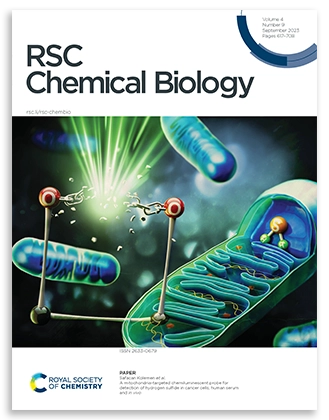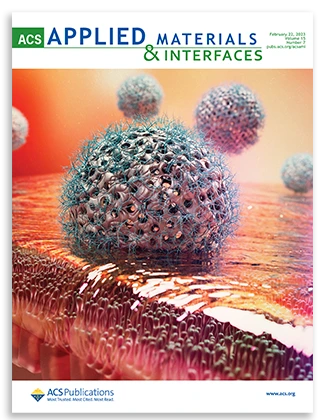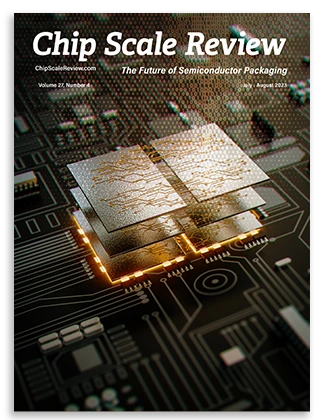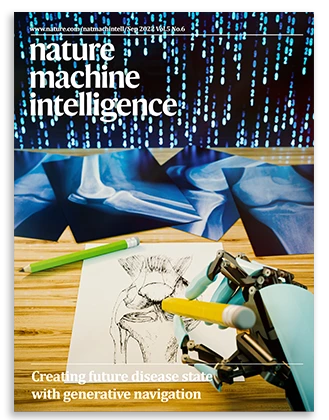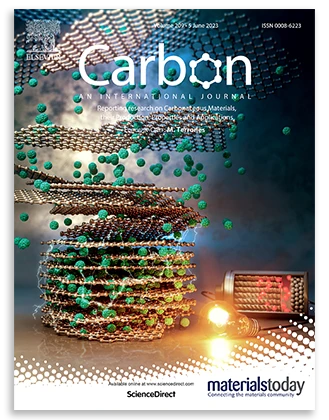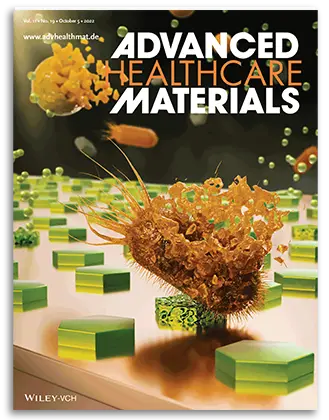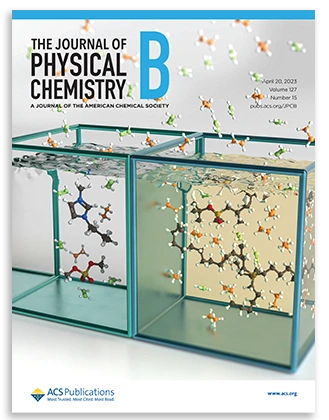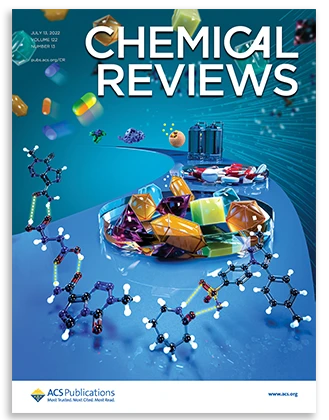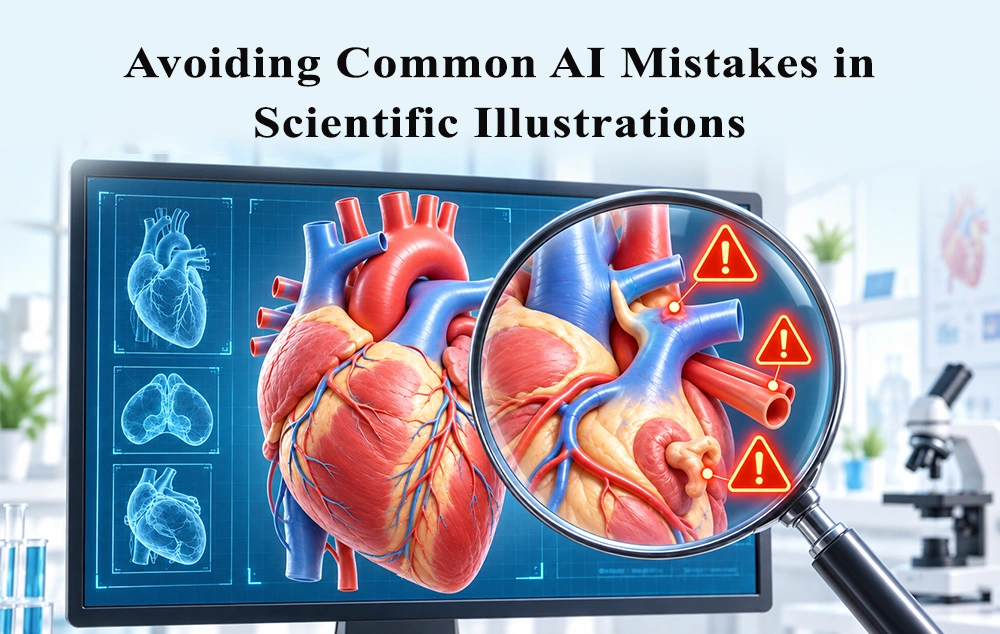
The world is at the start of an AI revolution—a promising, exciting change that is quickly transforming long-established practices in science.
AI has great potential to assist researchers who do not have graphic design expertise or enough resources. It can also reduce the time and cost of producing scientific images and help explain complex concepts more clearly. However, AI models are not without mistakes.
Can We Always Trust AI-Generated Scientific Images?
From the point of view of an amateur designer, an AI-generated image can be considered successful because of its suitable composition, harmonious colors, numerous details, attractive lighting, suitable visual hierarchy, and so on.
However, in scientific illustration, these are not enough. A scientific image should have factual accuracy alongside its visual quality. Overall, the image may appear realistic, and the viewer may not notice the errors. The image is plausible but incorrect in scientific fields. So we have to avoid common AI mistakes in scientific illustrations.
12 Common AI Mistakes in Scientific Illustrations and How to Fix Them
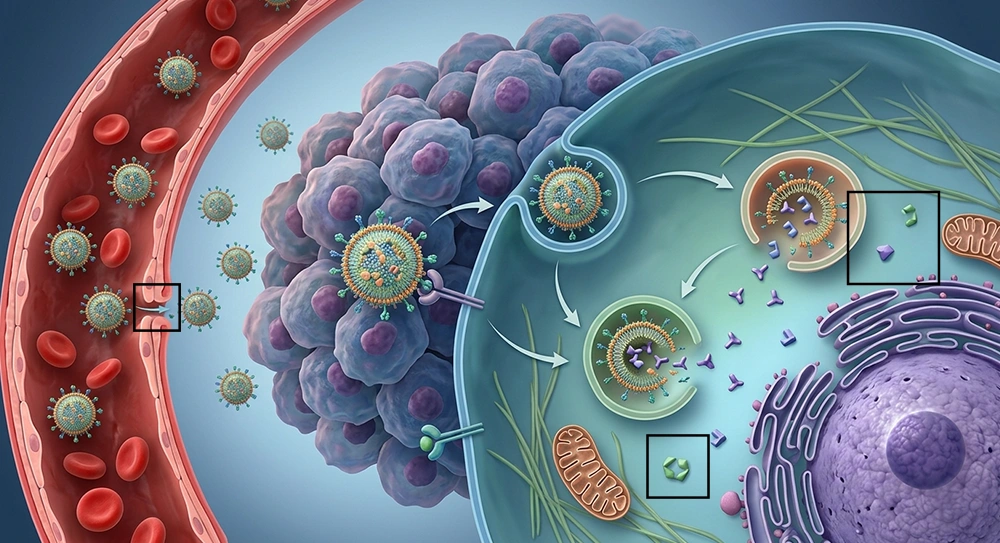

Despite the phenomenal results of generative AI models, even the most advanced public models make specific and sometimes predictable mistakes.
Label and Typography: When generating an image with text, such as signs, book covers, or simple labels, at first glance, the generated text may look like real words. However, a closer examination will reveal unclear symbols, spelling errors, or meaningless letters.
Anatomical Errors in Medical Illustration: One of the most irritating errors in AI-generated images is low anatomical accuracy, such as extra fingers, helical organs, backward joints, or uncoordinated facial features. These errors can cause problems when generating human or animal figures.
Loaded or Melted Background: Even when all the requested objects are correct, the background can still show small defects. Overloaded, abstract, or melted environments are common occurrences. Sometimes, objects or textures appear unnatural or mixed, or distant background elements remain unfinished.
Scale Errors: AI can display cells, nuclei, and DNA in the same image, but the scale may be incorrect. For example, a virus may appear to be the same size as a cell, or proteins may appear larger than a membrane. This issue is particularly important in biology.
AI Mistake |
Why It Happens |
How to Fix It |
|---|---|---|
| Incorrect anatomy or organ structures | AI predicts visual patterns instead of biological accuracy | Verify against anatomy references and redraw incorrect parts |
| Misspelled scientific labels | AI struggles with embedded text generation. | Replace all labels manually using a vector editing platform |
| Wrong invented molecules or proteins | AI may hallucinate plausible-looking scientific content. | Cross-check with the molecule and protein databank |
| Wrong arrow directions | Incorrect prompts cause AI to misunderstand biological mechanisms. | Replace incorrect arrows using a vector editing platform |
| Inconsistent colors across a review paper’s figures | Different prompts generate different styles | Create a consistent publication color palette in a prompt |
| Missing scale bars | AI rarely generates scientifically meaningful scales | Add accurate scale bars during refinement |
| Impossible cell or tissue proportions | AI prioritizes aesthetics over biological proportions. | Adjust proportions using trusted references |
| Low-resolution raster images | Free AI services export low-quality images | Use appropriate AI services to render with high resolution |
| Overcrowded graphical abstracts with too much text | Adding excessive information to a prompt | Simplify layout and emphasize the main message |
| Style inconsistency in multi-panel figures | Separate AI generations create various visual drifts | Apply a specific AI model to all the figures |
| Unreal fabricated experimental equipment | AI may mix instruments and laboratory devices | Provide different views of the device as a sample for AI |
| Ambiguous symbols and icons | AI mixes unrelated scientific symbols | Replace with accurate scientific icons by human refinement |
Why are AI systems trained for scientific illustration important?
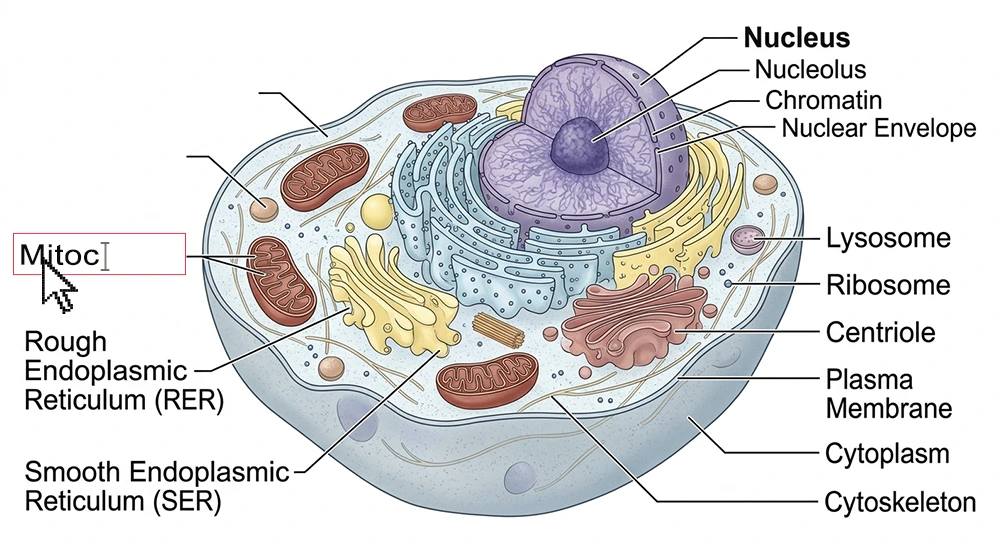
AI, unlike a human illustrator, does not decide that a specific structure should be placed in a certain position based on a scientific report or reference. Instead, the model generates an image based on patterns learned from its training data. Therefore, if the training data contains simplified, contradictory, or scientifically incorrect images, the model may reproduce these errors.
Even color can create scientific errors. For example, in a chemistry illustration, a designer may assign a specific color to each type of atom. If AI chooses a different color for a specific atom or uses the same color for different atoms, it can create an inconsistent visual language.
So, using comprehensive prompts or a specific AI system that is trained for scientific illustration plays a key role. In these types of AI services, authors should be able to edit AI-generated images and arrange them online without knowledge of graphic software.
Scientific Illustration Quality Checklist Before Journal Submission
In a research article, an image is not simply decorative. It may represent experimental data, microscopic or medical imaging results, evidence of a phenomenon, or part of the authors’ scientific interpretation.
Use this checklist before submitting AI-generated figures:
Quality Checklist Before Journal Submission |
|---|
| Anatomical structures match trusted references. |
| Arrows represent the correct biological direction. |
| Molecular structures are scientifically accurate. |
| Scale bars and measurements are included where needed. |
| Colors are consistent across all figures. |
| Fonts follow journal guidelines. |
| The illustration is available in editable vector format (SVG, AI, EPS, or PDF). |
| No decorative elements reduce scientific clarity. |
| All labels are spelled correctly. |
| A research leader or a human expert has reviewed the final illustration. |
Here, Inmywork Studio offers Professional AI-Generated Figure Modification and Refinement Services, if authors need assistance refining figures.
What Are Journals’ Policies Regarding AI-generated Images?
Journals and publishers have different policies regarding AI-generated images.
For example:
1) Some journals restrict the use of generative AI models to create illustrations, although there are exceptions for articles in which AI itself is the main subject. (Like Nature families)
2) Some journals don’t restrict the use of AI to produce graphical abstracts or journal covers and only have limitations on the use of AI to display data. (Like ACS families for cover artwork)
3) Others allow certain uses of AI-generated content when the use of the tool, the production process, and the methods used to assess the output are clearly declared.
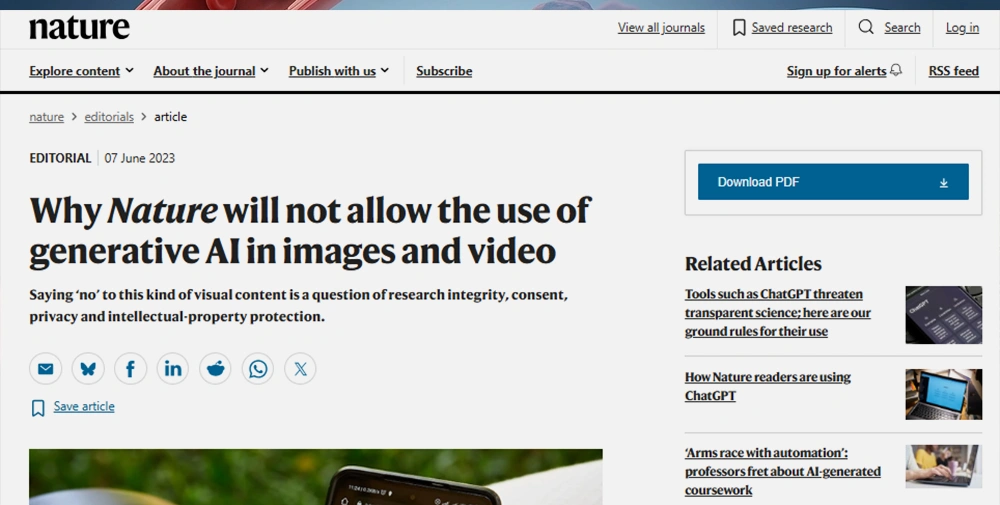

Nature 618, 214 (2023) doi: https://doi.org/10.1038/d41586-023-01546-4
Frequently Asked Questions About AI Mistakes in Scientific Illustrations
AI can generate visually appealing scientific illustrations, but it cannot guarantee scientific accuracy. Researchers should verify all parts before submission.
The most common AI mistakes include incorrect anatomy, misspelled labels, fabricated biological structures, wrong arrow directions, inconsistent colors, missing scale bars, and unrealistic molecular or cellular proportions.
AI image models predict visual patterns rather than scientific facts. As a result, they sometimes invent structures or relationships that look plausible but do not exist in real biology, chemistry, or medicine
Many journals allow AI-assisted figure creation, but authors remain responsible for the accuracy of every figure. Journal policies increasingly require disclosure of AI use and careful human verification.
Researchers can correct AI-generated figures by reviewing scientific content, replacing inaccurate labels, redrawing incorrect structures, improving typography, adding scale bars, and converting raster artwork into editable vector graphics or ordering human refinement services.
Yes, there are AIs trained for scientific illustration that are connected to the Molecule and Protein Data Bank and provide a platform where authors should be able to edit AI-generated images and arrange them online.
Is Using AI for Scientific Illustration Finally Appropriate?
Trusting AI-generated figures now requires transparency, documentation, and licensing about how visual evidence has been produced. AI can assist designers with composition and layout ideas, suggesting ways to display complex interactions, and developing initial ideas.
AI is becoming an increasingly useful tool for researchers who need to visualize scientific concepts. However, AI-generated figures can contain inaccuracies, problematic text, and inconsistent visual elements. For this reason, modifying AI scientific figures and human scientific refinement remain important.
In order to avoid common AI mistakes in scientific illustrations, researchers should check the accuracy of the image, understand its limitations, and use a specific AI system that is trained for scientific illustration in a responsible way. Finally, Generative AI can be a useful tool for scientific illustration, but it should not replace scientific judgment or human responsibility.
Inmywork already offers professional AI-Generated figure modification and refinement services that are relevant to researchers who have generated an initial figure with AI. Clients can provide a sketch, an article abstract, or a straightforward explanation of their idea to help the team understand the project.
Recent Journal Cover Designs