
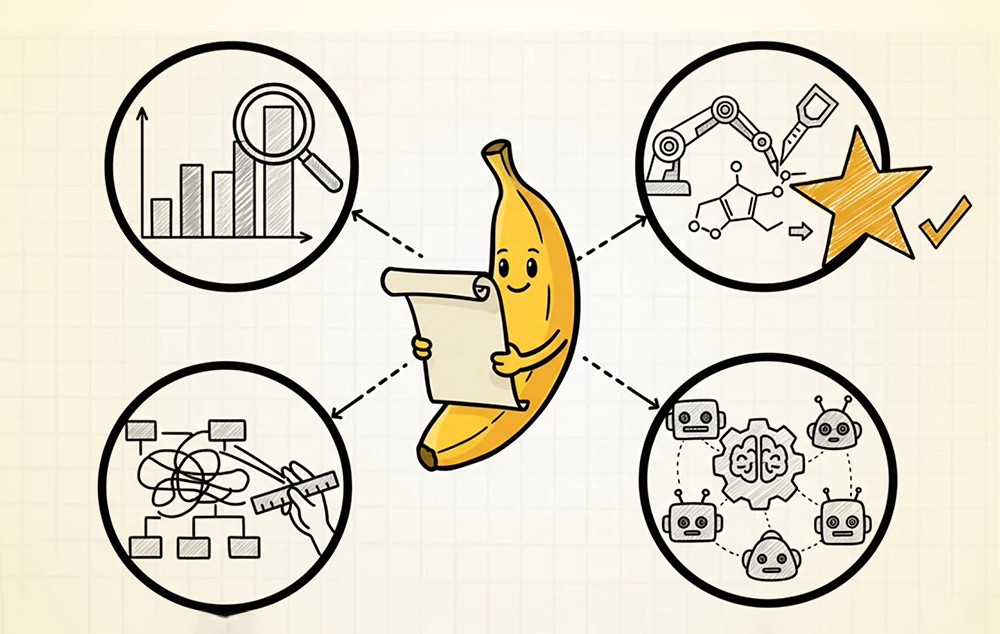
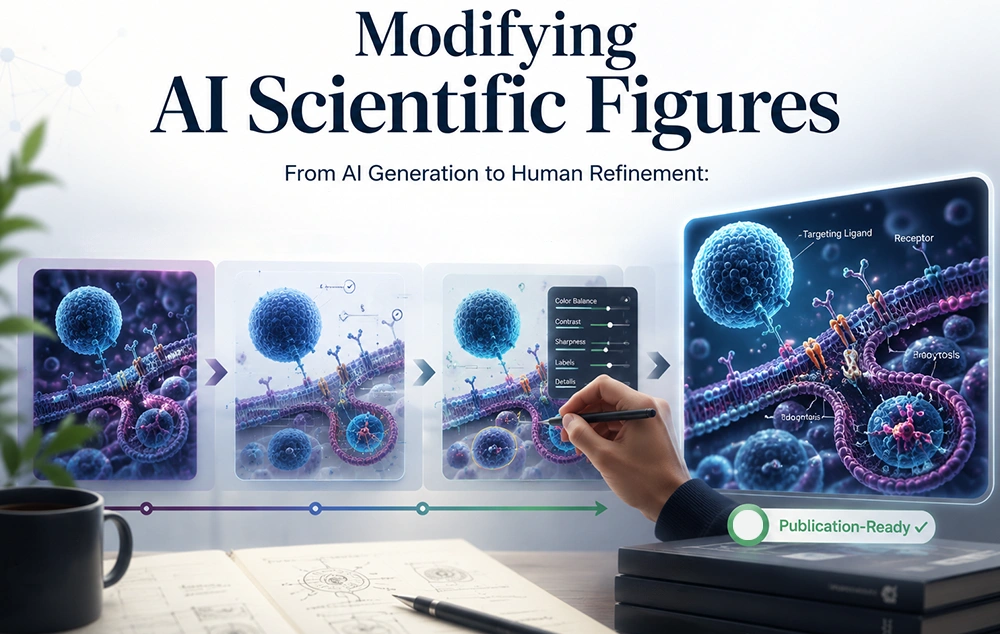
In recent years, the scientific research process has been significantly altered by artificial intelligence, from text generation and editing to data analysis and coding assistance. However, there is one critical component of scientific writing that is still largely manual and time-consuming: creating scientific illustrations and figures. Therefore, it is important to address this challenge to reduce the time consumption and unnecessary effort.
Application of PaperBanana for academic illustration
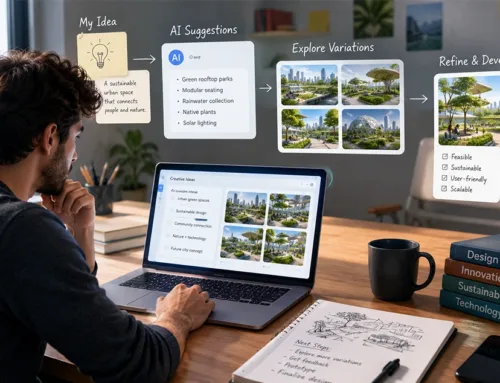
PaperBanana is an AI-driven platform that can generate scientific figures and illustrations automatically. The idea behind this platform is: instead of researchers spending hours using graphic design tools to design their illustrations, conceptual diagrams, and method workflows, they provide the scientific content, and PaperBanana creates the visualizations.
How does this platform work?
The PaperBanana system has a multi-agent architecture, and each agent is responsible for a specified task. This workflow ensures the generation of clear, concise, and standard figures. These tasks include:
- Retrieving relevant visual examples from scientific papers (high-quality articles)
- Turning scientific texts and descriptions into illustrations
- Applying the publication-specific style to the illustrations
- Generating the final figure and refining
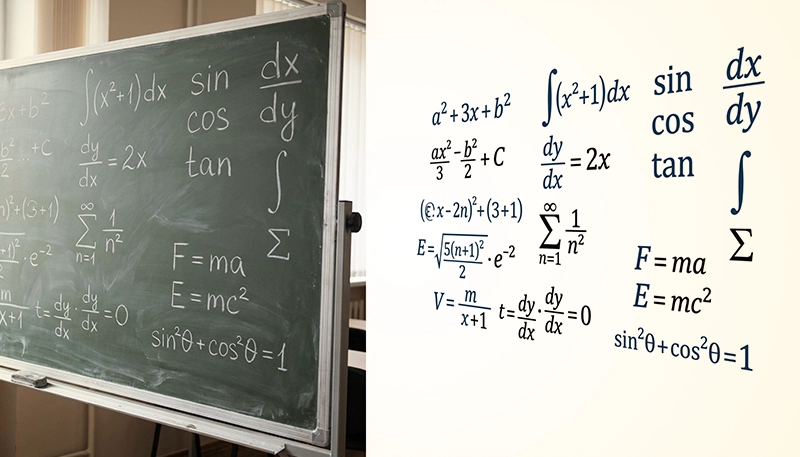
To evaluate performance, the authors introduce a benchmark called “PaperBananaBench”. Compared to simpler image-generating approaches, PaperBanana shows higher accuracy, better preservation of the concept, and ready-to-publish images.
Key strengths and limitations of PaperBanana
In terms of positive aspects of this platform:
- Reduction in time and effort spent to create scientific figures
- Accessible to researchers without prior experience in graphic design
- Visual styles aligned with figures from high-level journals and conferences
- Ability to create both conceptual diagrams and data-based figures
Although PaperBanana for academic illustration shows high promise, it faces important limitations that you should know, including:
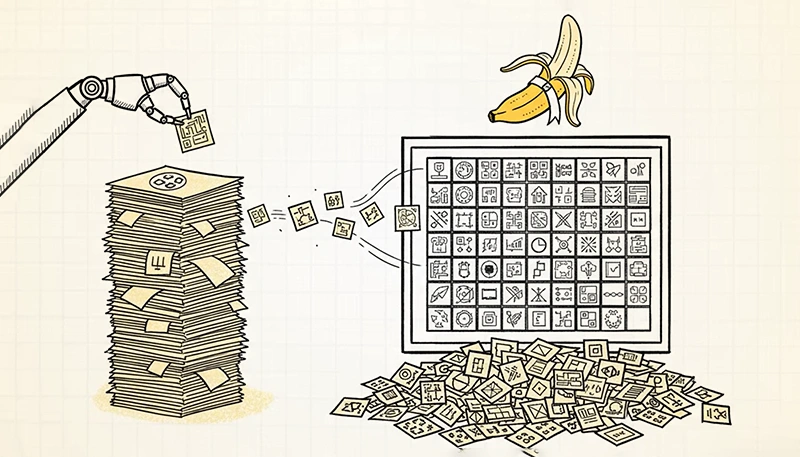
1) Lack of vector outputs
Figures generated with PaperBanana are not provided in editable vector formats. This makes editing very difficult for journal submission.
2) Subtle conceptual errors
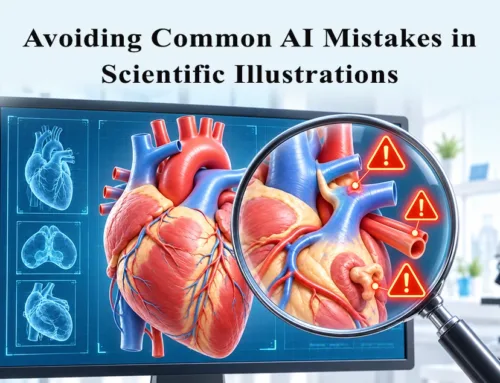
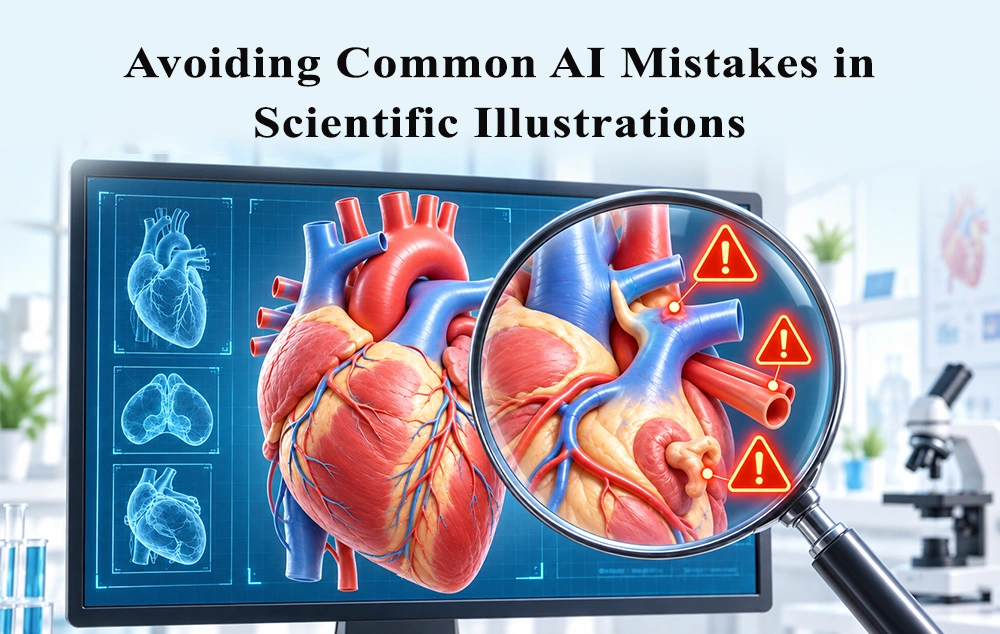
In some cases, connections between diagrams or the direction of arrows are incorrect. This could potentially lead to scientific misinterpretation.
3) Risks with numerical plots
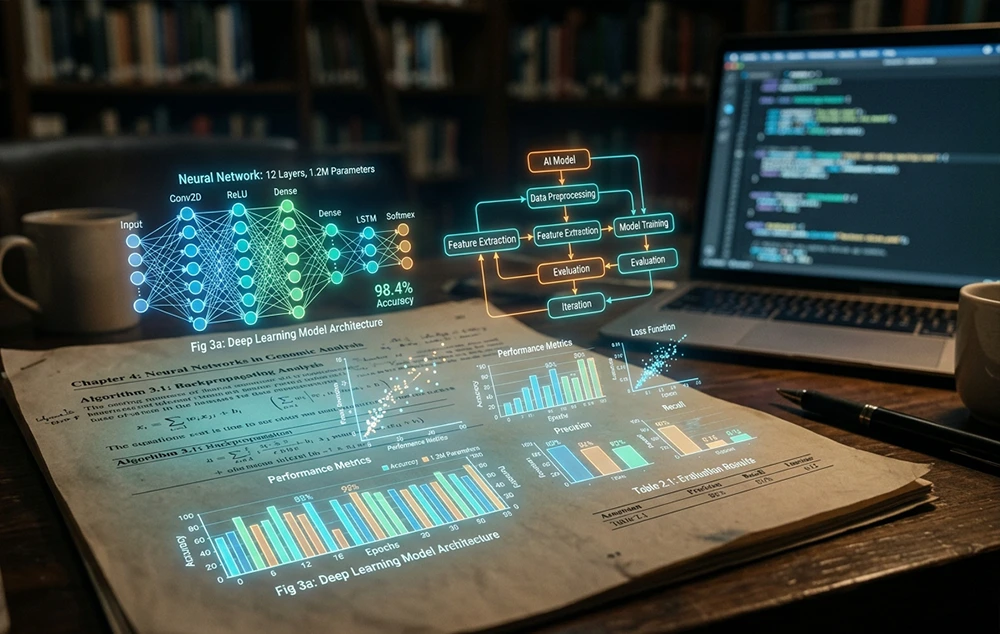
In the visualization of complex data, this platform comes with a risk of numerical inaccuracies or misleading representations. Therefore, human validation is required.
4) Limited style diversity
The platform mostly relies on standard academic styles, which may reduce diversity and flexibility of the designs.
Conclusion
To conclude, PaperBanana represents a powerful assistance for researchers but is not a full replacement for human vision and creativity for professional academic illustration.
If the result of artificial intelligence isn’t your thing, and the outputs are not precise or accurate, and you’d rather focus on your research topic, we can assist! The Inmywork team has a lot of experience in academic illustration and graphical abstracts. In addition, you can keep in touch with the team for editing several times. The process of delivery time of scientific figures depends on the complexity of the project. Your project will be done as soon as possible.
Recent Journal Cover Designs

The point about AI now covering everything from text generation to coding assistance really resonates with how I’ve seen lab workflows shift just in the last couple of years. It makes me wonder if academic illustration will become just as routine a step in that pipeline, or if it’ll stay a more manual craft.