
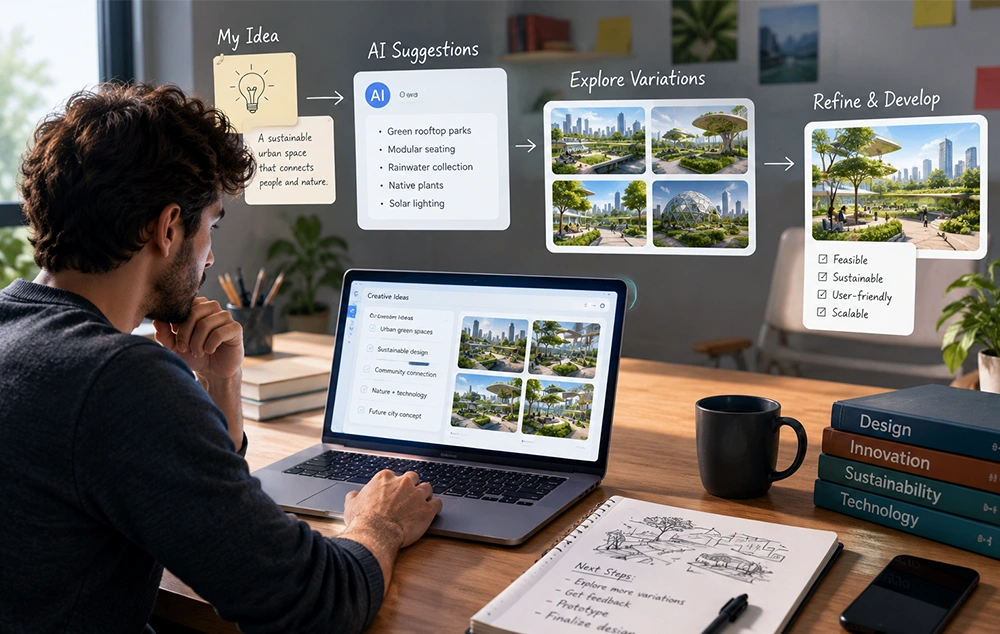
What happens when something once considered uniquely human—creativity—can increasingly be supported by artificial intelligence?
AI is changing the relationship between imagination, creativity, and visualization. Today, artificial intelligence can turn an idea into an image, text, design, or other form of output within seconds. This raises a fundamental question: Can AI be creative, or is it simply helping humans become more creative?
To explore the relationship between AI and creativity, we first need to understand what creativity means and how artificial intelligence is changing the creative process.
What Is Creativity?
A creative idea or work is often described through three characteristics:
- Novelty
- Surprise
- Value
AI systems can generate outputs that are novel and sometimes unexpected. However, producing something new does not necessarily mean producing something creative.
The distinction becomes clearer when we look beyond the final product and examine the creative process.
Human creativity can be influenced by memory, emotional experience, nostalgia, personal problems, cultural background, or individual perspectives. A person may create an artwork because of a specific experience or emotion. AI can generate a similar output, but the process behind its creation is fundamentally different.
This is why concepts such as intentionality, agency, and autonomy become important when discussing AI and creativity.
At the same time, artificial intelligence can influence creativity at several stages, including ideation, production, and evaluation.
Three Roles of AI in the Creative Process
AI can play at least three important roles:
- Creative guide – AI suggests possible directions and creative pathways.
- Collaborative partner – AI contributes to production, variation, and refinement.
- Creative environment – AI becomes part of the environment in which creative work takes place.
AI can also support evaluation by providing faster and more standardized forms of assessment, potentially addressing some limitations of subjective evaluation.
How AI Expands the Search Space of Creative Ideas
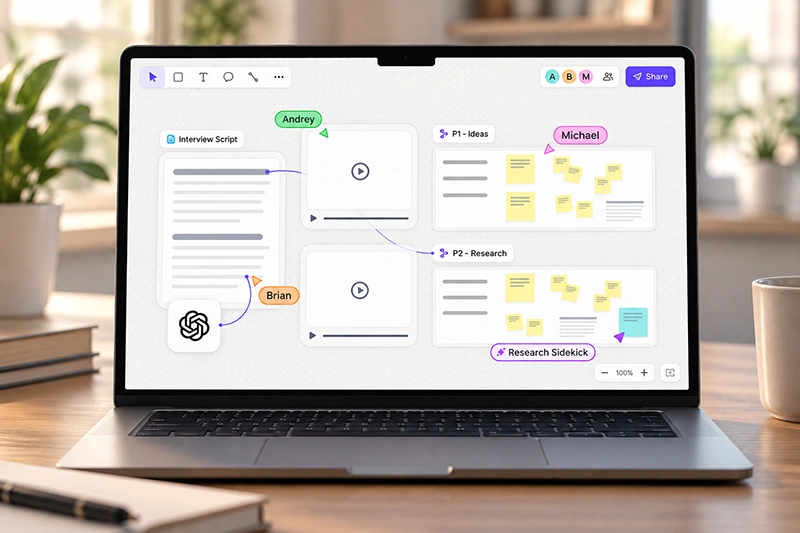
One of the most important contributions of artificial intelligence to creativity is its ability to expand the search space of ideas.
Traditionally, developing an idea could be limited by time, resources, technical skills, and access to specialized tools. AI can reduce some of these limitations by allowing users to:
- Generate multiple ideas quickly
- Create different variations of an idea
- Identify relationships between different fields
- Transform abstract concepts into visual examples
- Test unusual ideas
- Explore alternative creative directions
As a result, AI can make creative experimentation faster and less costly.
This can be particularly useful when someone experiences a creative block. Instead of starting with a blank page or canvas, the creator can use AI-generated possibilities as starting points for further exploration.
AI as a Creative Design Partner
AI can generate dozens of ideas, but quantity does not automatically produce creativity.
If AI generates 50 possible ideas, the human creator still needs to determine:
- Which idea is genuinely novel?
- Which idea is applicable?
- Which idea fits the project?
- Which idea is worth developing?
- Which idea is scientifically accurate?
- Which ideas can be combined?
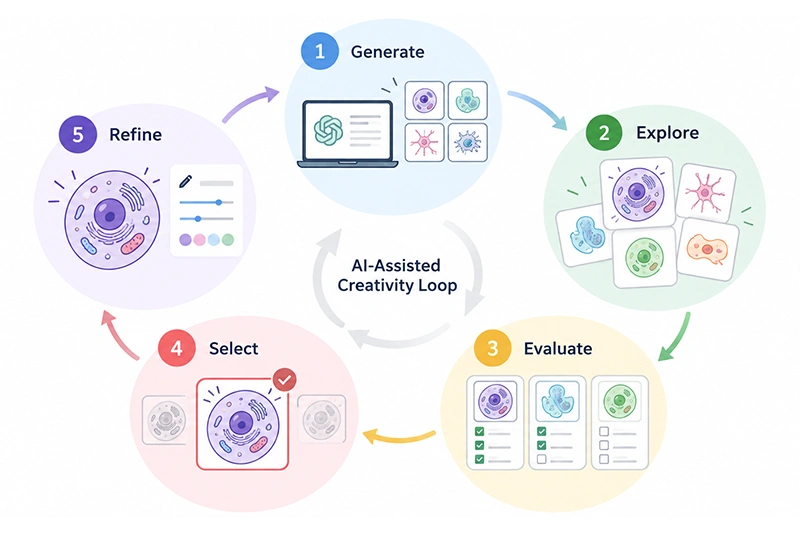
This creates a practical AI-assisted creativity loop:
Generate → Explore → Evaluate → Select → Refine
AI can be particularly useful during the generate and explore stages. Human expertise remains especially important during evaluation, selection, and refinement.
This model moves beyond the idea of AI as merely a tool. Instead, humans and AI continuously respond to each other’s contributions, creating a process of human-AI co-creation.
How AI Is Democratizing Creativity
Many forms of art and design traditionally required specialized skills, software knowledge, technical expertise, and significant amounts of time.
AI can act as a creative equalizer by reducing some of these technical barriers.
For example, someone may have a strong creative idea but limited:
- Drawing ability
- Design experience
- Software knowledge
- Technical expertise
- Ability to express the idea in English
AI can help bridge some of these gaps and allow more people to participate in the creative process.
This does not eliminate the importance of human expertise. Instead, it changes where that expertise is needed. AI can reduce technical barriers, while humans remain responsible for judgment, direction, and refinement.
AI may also create new opportunities for people with disabilities or people who lack access to expensive studios and specialized equipment.
AI and Creative Exploration
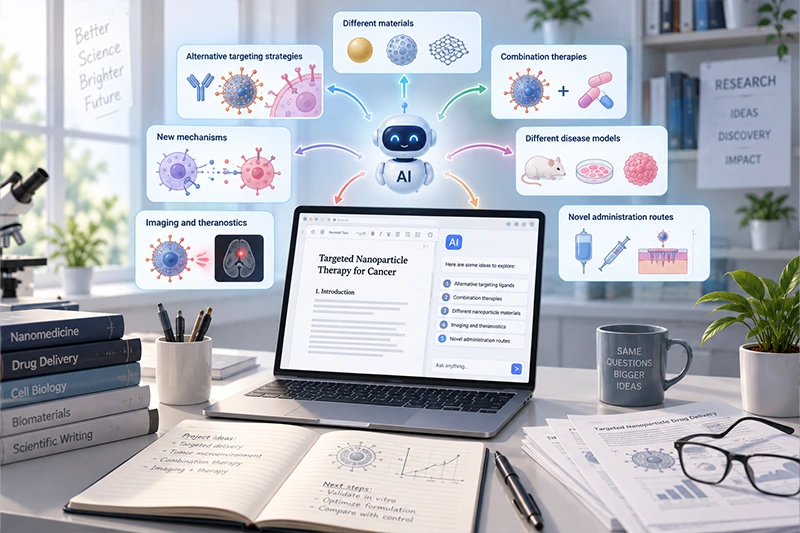
Human creativity can sometimes remain close to the ideas that already exist in our minds. AI can provide an external source of variations and possibilities.
For example, a designer can begin with a basic concept and ask AI to explore different:
- Scales
- Compositions
- Metaphors
- Visual languages
- Narratives
- Color logic
- Levels of abstraction
The creator can then evaluate these variations and select the ones that are meaningful or useful.
Importantly, AI does not always need to provide a direct answer.
An unexpected association or unusual combination can sometimes open a completely new direction. When the cost and time of experimenting with an idea become lower, people may also become more willing to test unusual or radical possibilities.
AI as a Brainstorming Partner
AI can function as an almost unlimited brainstorming partner by continuously presenting new perspectives, metaphors, combinations, and scenarios.
This can help people move beyond the blank canvas problem.
The history of creative technologies also suggests that a new technology does not necessarily eliminate an existing creative practice. Photography, for example, did not eliminate painting. Instead, it contributed to new artistic directions and eventually supported the development of new forms such as cinema.
Similarly, AI may contribute to new forms of:
- Interactive art
- Generative architecture
- Storytelling
- Design
- Other creative practices
Cognitive Synergy Between Humans and AI

The relationship between humans and AI can therefore be understood as a form of cognitive synergy.
AI can rapidly generate possibilities, while humans provide context, experience, judgment, and purpose.
This division of strengths can make the creative process more exploratory. Instead of asking whether AI or humans are more creative, a more useful question may be how their different capabilities can work together.
Is AI Changing the Definition of Creativity?
For a long time, the central question was:
Can a machine be creative?
Today, the question can be reframed:
What happens when creativity is distributed between humans and machines?
This shift changes the discussion.
Instead of focusing only on whether AI itself possesses creativity, we can examine how human creativity changes when artificial intelligence becomes part of the creative process.
The important issue is no longer simply whether AI can produce creative-looking outputs. It is also how AI changes the way people imagine, explore, evaluate, and develop ideas.
AI and Creativity Beyond Art
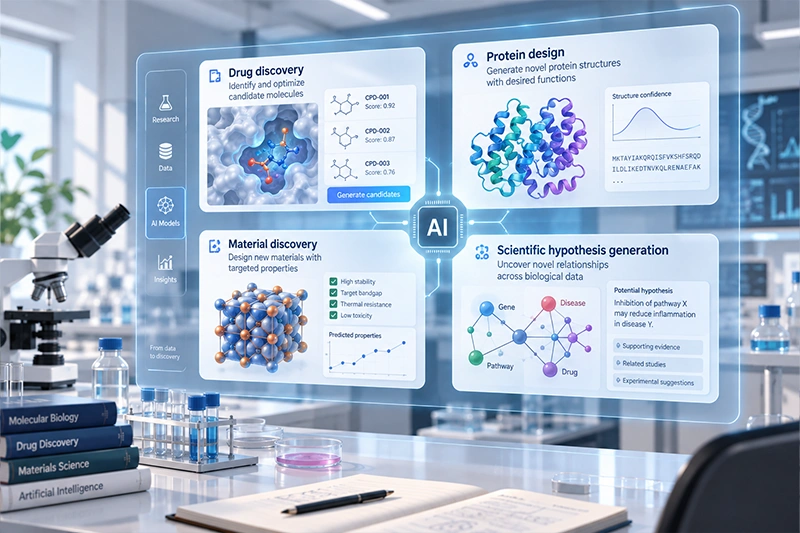
The relationship between AI and creativity is not limited to art and design.
Scientific discovery can also involve creative processes.
Examples include:
- Drug discovery
- Protein design
- Material discovery
- Scientific hypothesis generation
In these areas, AI can explore very large search spaces and identify possible structures, relationships, or hypotheses that humans may not easily discover on their own.
Here, creativity may involve creating a new molecular structure, material, or scientific hypothesis rather than producing an artwork.
This broader perspective shows that the relationship between AI and creativity extends beyond traditional definitions of artistic creativity.
Challenges of AI-Associated Creativity
AI can generate an image that is novel, surprising, and visually appealing while still lacking human intentionality, motivation, and lived experience.
This creates two major perspectives on creativity:
- Product-first
- Process-first
From a product-first perspective, it may be easy to attribute creativity to AI because the final output can appear original and valuable.
From a process-first perspective, the question becomes more complicated because human creativity is closely connected to cognition, experience, intention, and decision-making.
AI can simplify several parts of creative work, including:
- Searching
- Brainstorming
- Generating variations
- Creating prototypes
As these tasks become easier, other forms of human expertise become increasingly important:
- Problem framing
- Domain expertise
- Judgment
- Evaluation
- Storytelling
- Scientific validation
An AI-generated result may look convincing, but human knowledge is still needed to determine whether it is meaningful, useful, appropriate, or scientifically accurate.
Individual Creativity vs. Collective Diversity
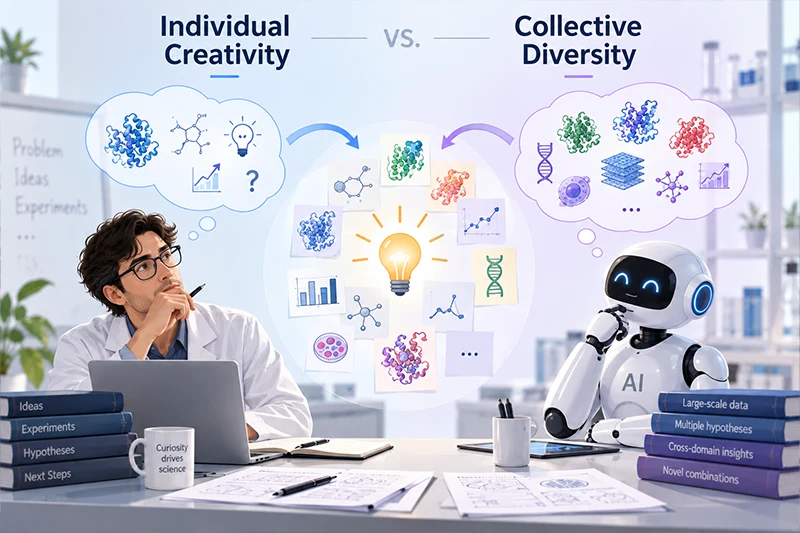
AI can help an individual generate more ideas and experiment more extensively. However, widespread use of similar AI models introduces another question:
Could AI increase individual creativity while reducing collective creative diversity?
When thousands or millions of people use similar models and similar training data, their outputs may become more similar.
AI models are trained on existing data and are highly effective at combining, altering, rearranging, and presenting existing patterns in new forms.
Therefore, much of the creativity produced by current AI systems can be understood as incremental and combinatorial.
Whether AI can move beyond the frameworks and patterns present in its training data remains an important question.
Bias and AI Creativity
AI is influenced by the data on which it is trained.
If training data contain biases, AI outputs may reproduce or reinforce those biases. This can affect not only the accuracy of an output but also the range of ideas and perspectives presented by an AI system.
For creative work, human review remains important for identifying outputs that may be:
- Biased
- Repetitive
- Limited
- Influenced by narrow patterns in the underlying data
Human judgment is therefore an essential part of responsible AI-assisted creativity.
How to Use AI in a Creative Process
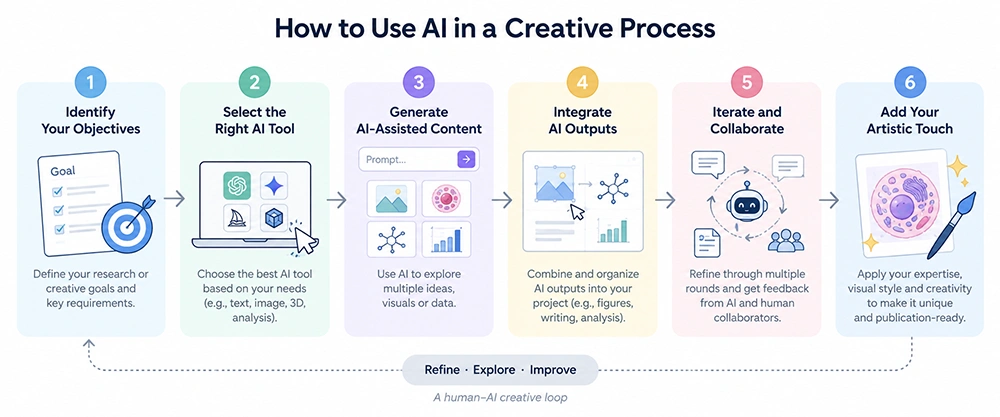
A practical AI-assisted creative process can include six steps:
1. Identify Your Objectives
Before using an AI tool, clearly define what you want to create and why.
2. Select the Right AI Tool
Choose an AI system that matches the type of creative task you want to perform.
3. Generate AI-Assisted Content
Use AI to generate ideas, variations, prototypes, or other possible directions.
4. Integrate AI Outputs
Review the generated material and integrate useful elements into your own creative process.
5. Iterate and Collaborate
Continue refining the work through repeated interaction between human judgment and AI-generated possibilities.
6. Add Your Artistic Touch
Give the final work your own purpose, perspective, context, and creative decisions.
In this model, AI acts as a creative catalyst rather than a replacement for the creator.
The human remains responsible for defining the problem, selecting meaningful ideas, making decisions, and giving the final work its purpose and direction.
Conclusion: The Future of AI and Creativity
Artificial intelligence is not simply automating creative production. It is expanding the space in which people can imagine, experiment, collaborate, and express ideas. AI can reduce technical barriers, generate unexpected possibilities, and help people explore ideas that might otherwise remain unexplored. However, creativity involves more than producing something new.
Intention, experience, judgment, context, and evaluation remain important parts of the creative process.
The most useful way to understand AI and creativity may therefore not be as a simple replacement of human creativity, but as a changing relationship between humans and machines.
Whether AI-generated outputs should be considered genuinely creative remains an open philosophical question. What is already changing, however, is the way people create, explore, evaluate, and develop ideas.
Source to read: Artificial Intelligence Reshapes Creativity: A Multidimensional Evaluation DOI: doi.org/10.1002/pchj.70042
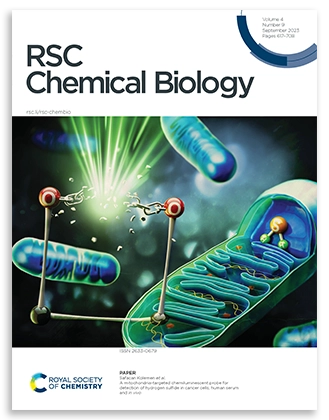
Recent Journal Cover Designs






Leave a Reply