
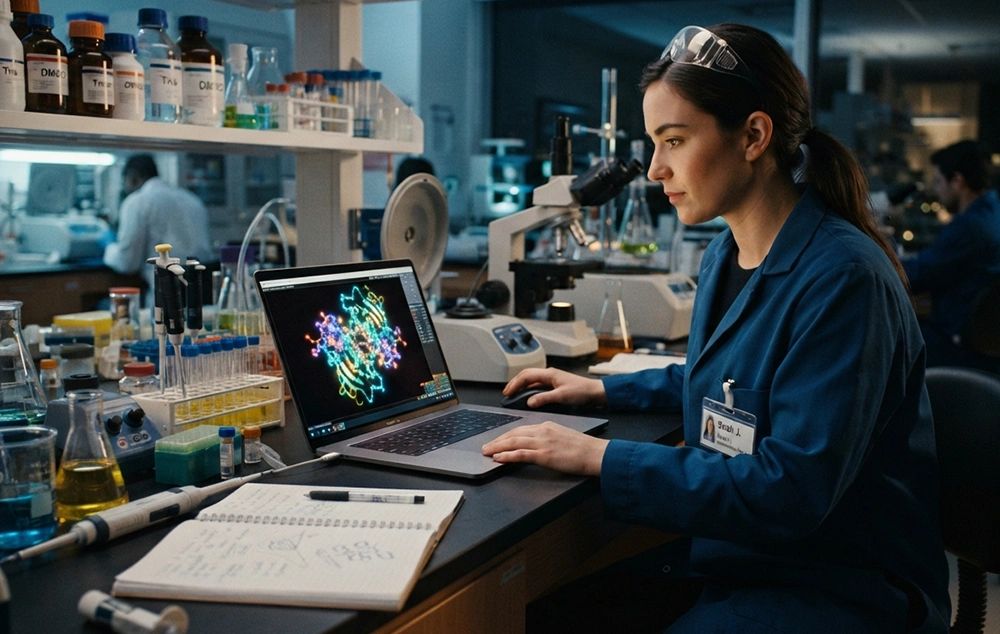
Biochemistry is a multidisciplinary field that includes molecular and cellular biology, general and organic chemistry, and even mathematics. It is considered challenging due to the complexity and abstract nature of its concepts, as well as the large amount of information, such as the names and structures of molecules, enzymes, and metabolic pathways.
Learning biochemistry requires conceptual thinking, spatial visualization, and the ability to understand three-dimensional (3D) molecular structures. However, textbook two-dimensional images are not always sufficient for understanding these structures. It is very difficult for most students to imagine the 3D structures of proteins and other macromolecules, molecular interactions, and dynamic changes in metabolic pathways.
These challenges cause biochemistry to appear as a rote, boring, and fact-heavy subject. Therefore, teachers tend to make the learning process more engaging and practical by using different and novel methods and scientific illustrations for education, including active and interactive approaches, 3D modeling, and visualization software.
Biochemistry and Scientific Illustration
Biochemical events occur on a small scale and are not directly visible to the human eye. No student can observe protein folding events, drug binding to receptors, or electron movement in the electron transport chain with the naked eye; rather, they learn representations of these phenomena. Hence, learning biochemistry from scratch depends on visualization and abstraction.
The role of scientific illustration for education is not to beautify concepts, but to make abstract ideas more accessible and facilitate their transfer to the learner’s mind. A suitable scientific image organizes information, reveals interactions between particles, makes hidden concepts visible, and helps students perceive the logic of a phenomenon. Illustration plays the role of a translator, translating molecular language into human-understandable language with maximum precision and minimal ambiguity, using visual hierarchy and purposeful coloring.
Roles of Scientific Illustration for Education
Scientific visualization serves three essential roles in biochemistry:
- Simplification: the deliberate removal of unnecessary details while emphasizing features that are important for educational purposes.
- Organization: the position of elements, the direction of arrows, the distance between components, color, symbol size, and even white space all play important roles in conveying concepts.
- Visual guidance: the human brain cannot attend to all parts of a complex image simultaneously. Therefore, it is necessary to guide the audience’s attention through visual hierarchy, contrast, color, lighting, movement, and composition, allowing the viewer’s eye to follow the intended visual pathway and better understand the process.
Application of Scientific Illustration for Education
2D Visualization
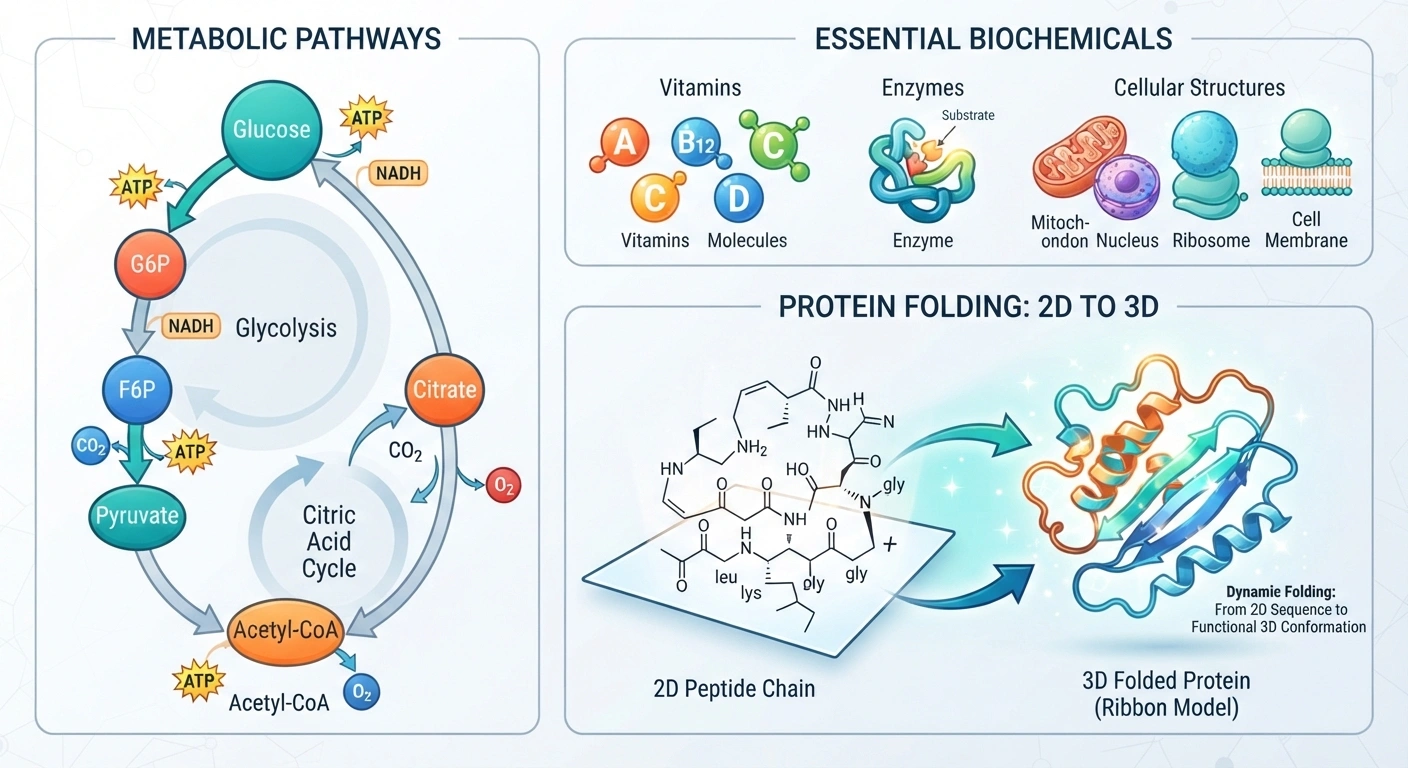
2D visualization is the most common approach for displaying biochemistry concepts and is present in all reference textbooks, scientific articles, and educational resources. These illustrations include plots, schematics, infographics, metabolic pathway maps, and simplified molecular structures.
Infographics are visual displays that present a large amount of information in the form of diagrams, icons, and short texts. In biochemistry, infographics can show relationships between metabolic pathways, the roles of vitamins, enzyme classification, or comparisons of metabolic diseases in a brief and organized manner.
The demonstration of processes and pathways as colorful diagrams with arrows and standard symbols assists learners in developing an integrated understanding of the relationships between reactions, enzymes, and products. It simplifies complex concepts, highlights key parts, increases the speed of understanding, and decreases reliance on memorizing text.
However, 2D visualization cannot adequately represent molecular spatial features
3D Visualization

3D visualization is one of the most important advances in biochemistry education over the past two decades. With 3D models, learners can observe structures from different angles, rotate them, and modify them, and explore the connections between different components. In this case, students are not just observers but are able to interact with molecules—for example, seeing how a ligand enters an enzyme active site, how mutations change protein structures, or why a drug can bind only to a specific receptor.
3D visualization is not only the construction of realistic 3D models but also an educational approach that highlights important properties and removes irrelevant details through conscious simplification.
Animation
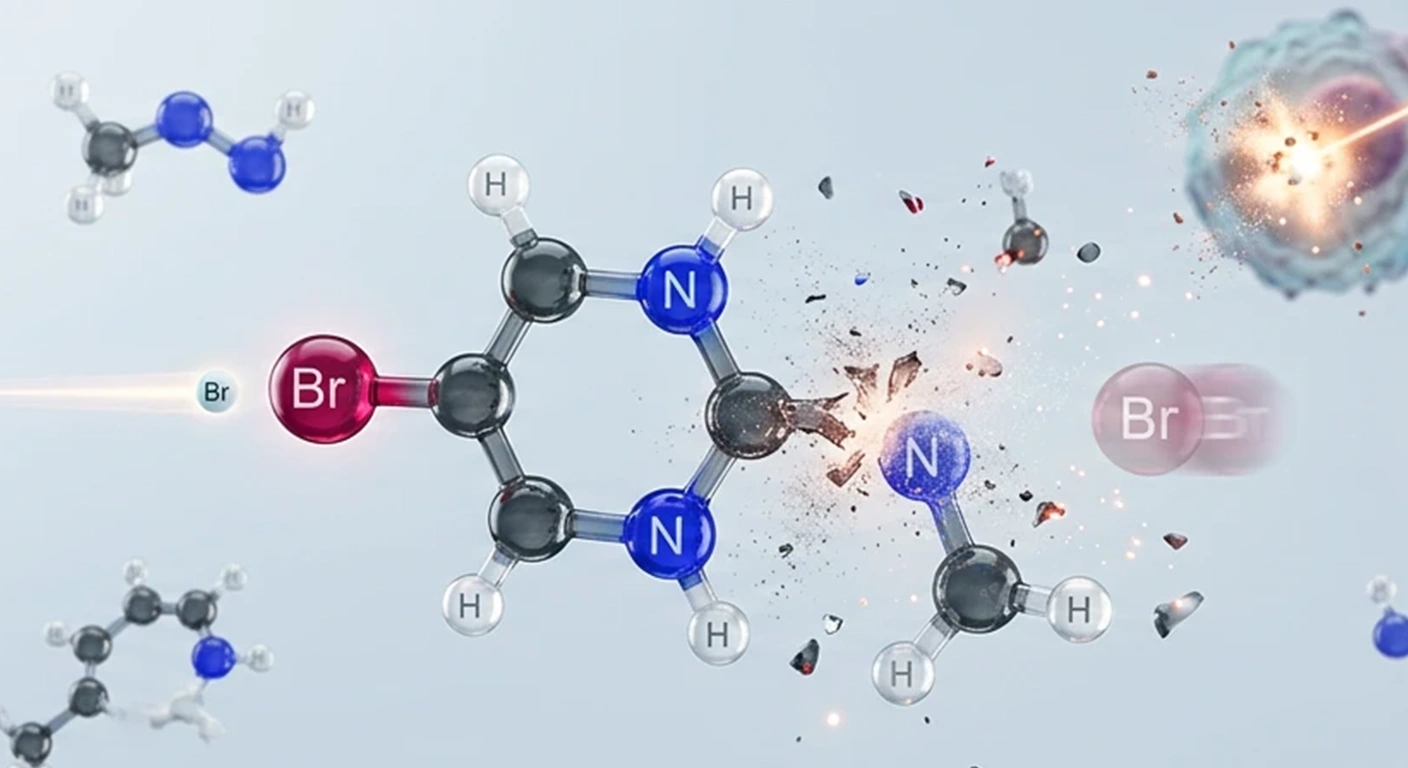
Educational animations are sequences of images used to show dynamic processes. Phenomena such as DNA replication, protein synthesis, the electron transport chain, and enzyme function have a temporal nature, and representing them as static images is not sufficient.
With step-by-step sequences of events, animations dynamically show the order of steps, conformational changes, and temporal relationships between them. However, overly fast animations or those overloaded with information can have negative effects.
Gamification
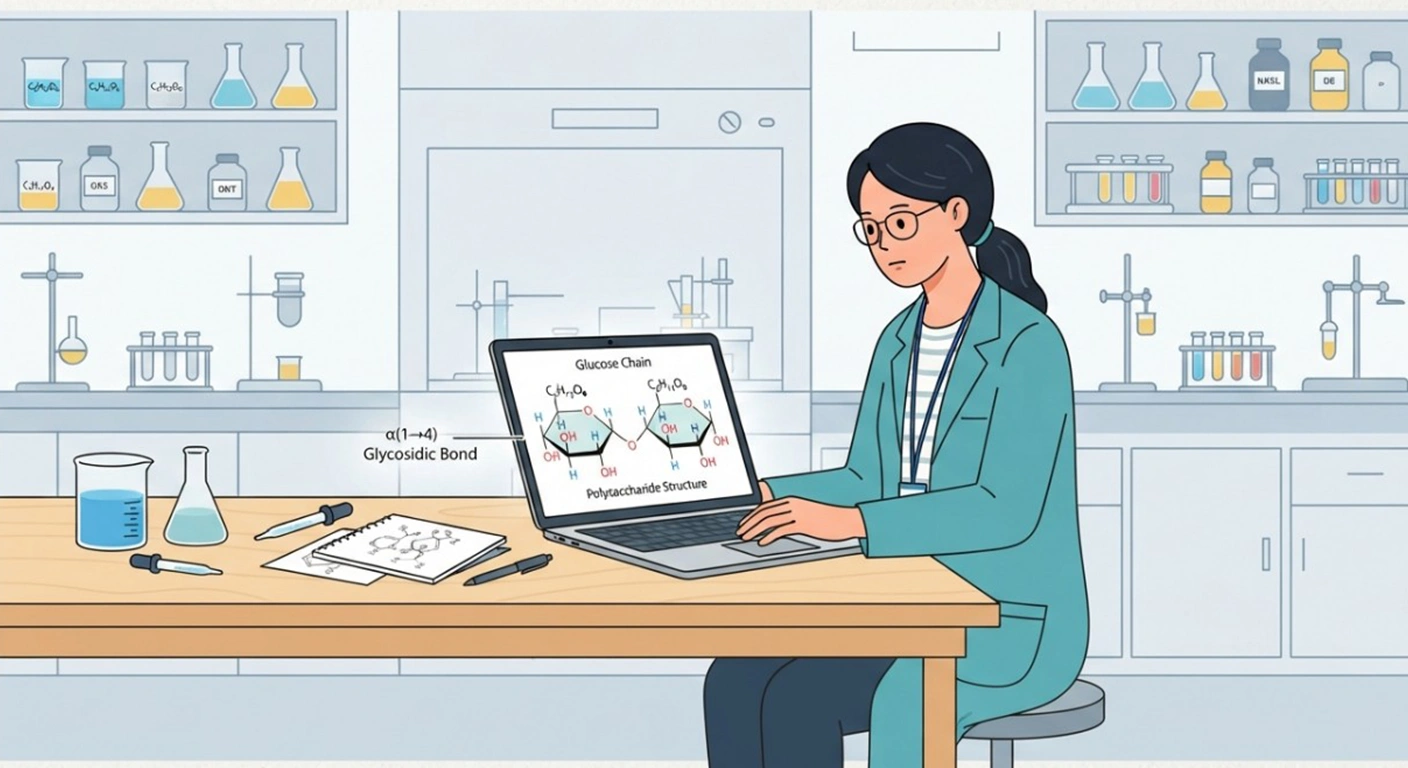
Game-based learning, using elements such as scores, competition, rewards, and problem-solving, motivates and engages students. In biochemistry learning, games such as amino acid sequence alignment, mutation pathway puzzles or enzyme recognition competition can be useful. Educational games, rather than introducing new concepts, are useful for consolidation, review, and assessment of learned material.
In this environment, students make mistakes, observe their consequences, and immediately evaluate their performance. This rapid feedback loop makes learning deeper and longer-lasting.
Virtual and Augmented Reality
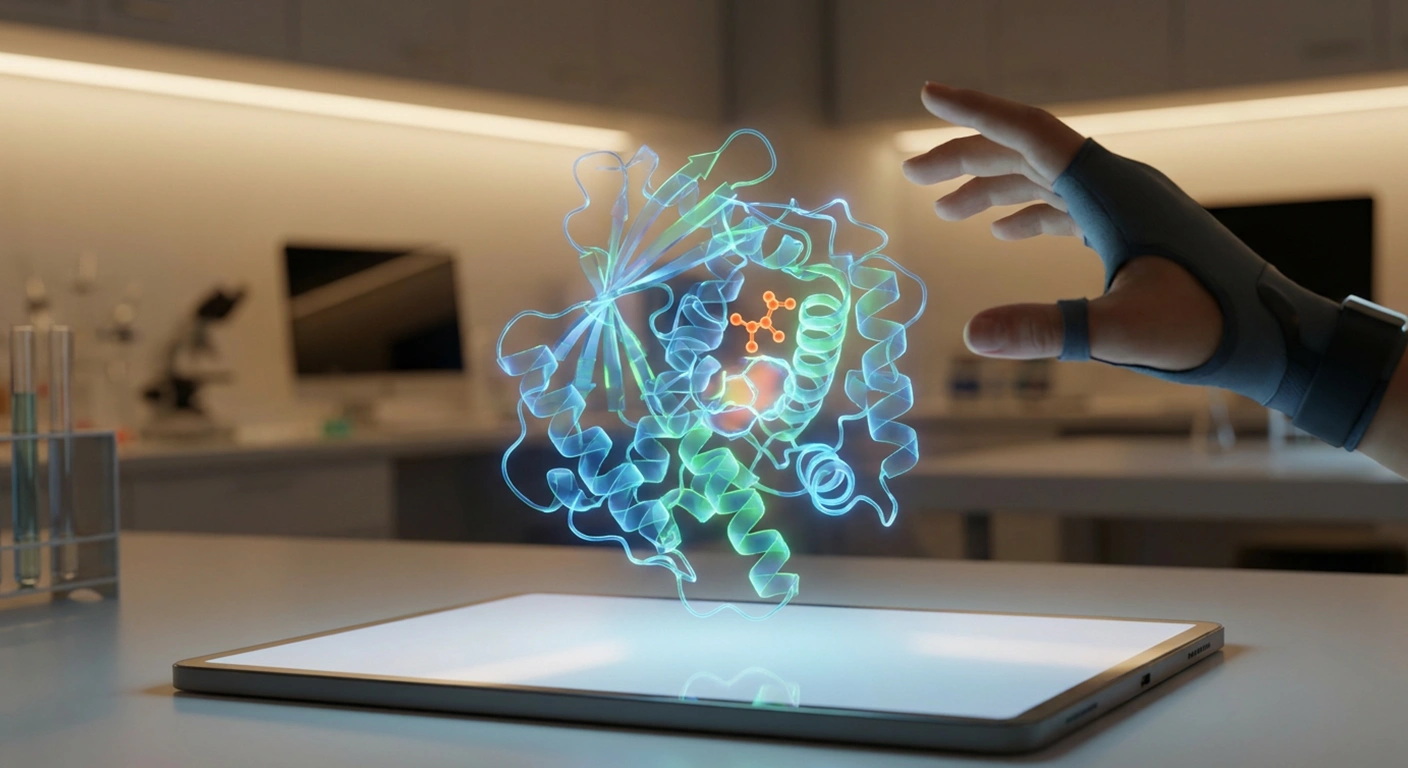
Beyond animation, interactive techniques such as virtual reality, augmented reality, and digital simulations narrow the gap between observation and experience. Students not only see molecules but also enter their environment, interact with them, and test different hypotheses while immediately observing the outcomes. This approach transforms learning from memorization into discovery and experience.
Conclusion
The human brain is more efficient at processing images than long texts. Appropriate visualization reduces cognitive load and clarifies relationships between different concepts. Students who work with interactive models show greater interest, practice more, and retain information for longer periods.
With the increase in biochemical data, visualization of biochemical concepts is no longer a luxury or decorative tool. Scientific illustration for education has become an independent language for materializing invisible concepts and organizing complex relationships. The InMyWork professional design team bridges the gap between the hidden world of molecules and learners’ curious minds, freeing chemistry from the limitations of voluminous textbooks.
Source: https://iubmb.onlinelibrary.wiley.com/doi/10.1002/bmb.70027
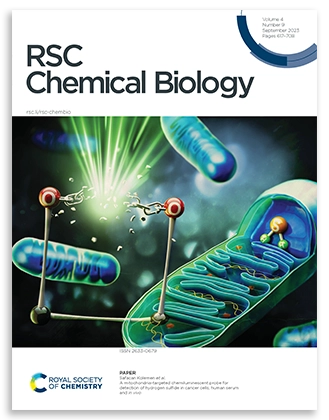
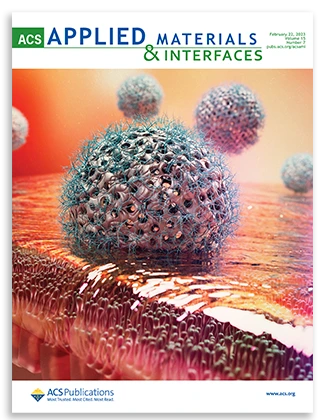
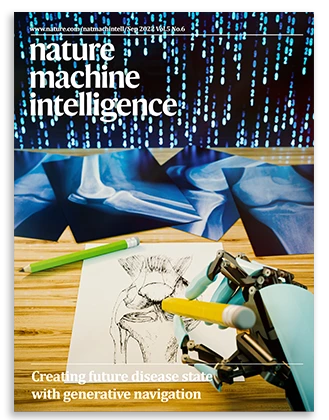
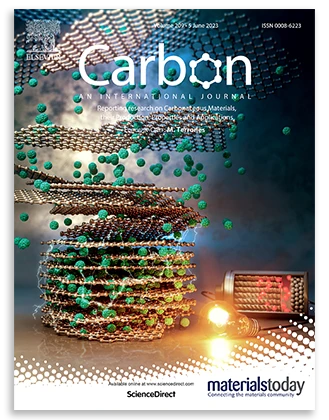
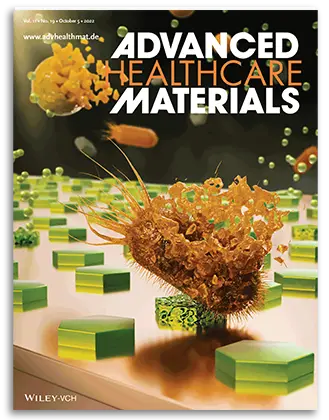
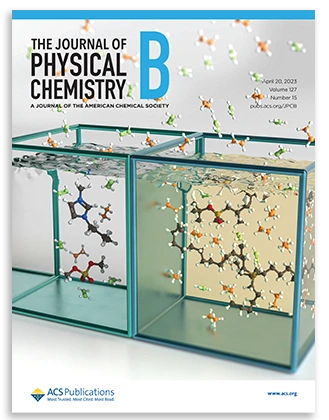
Recent Journal Cover Designs




Leave a Reply